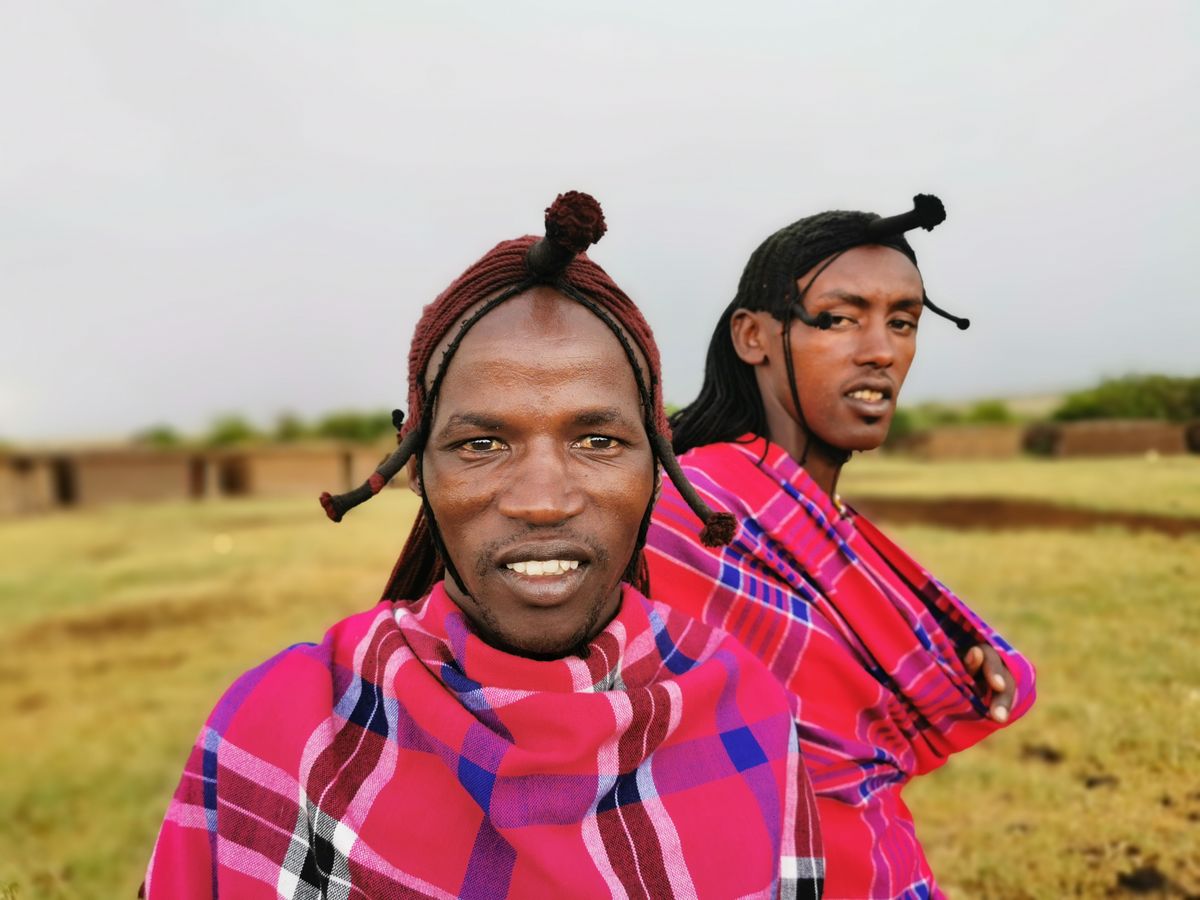
The boma is a circle of mud-and-dung houses inside a thorn-branch enclosure. The cattle have already been taken out to graze. The children watch from a distance. And then the warriors begin to sing — a deep, resonant chant that builds in their throats and fills the morning air — and you understand why a million tourists have come here and still not diminished what this place is.
The Maasai are among the most recognisable cultures on Earth, and their presence in Tanzania's northern highlands — the Ngorongoro Conservation Area, the lands around Tarangire, the corridor between the parks — is not performance. They have grazed these lands for centuries, their cattle herds moving with the same instinct and seasonal intelligence as the wildebeest that share the same grass. The boma visit is not a museum. It is a working homestead, a living household, and the encounter it offers is genuinely cross-cultural rather than theatrical.
The adumu — the jumping dance, where warriors compete in the height of their vertical leaps — is the moment most visitors photograph. But the conversations that happen before and after are what stay with people longest. A young moran explaining how he has herded cattle since he was seven. A woman demonstrating the beadwork that marks her status and family. The elder who has watched the tourist economy grow around his people and has thoughts about all of it, thoughtfully expressed. The Maasai are not a backdrop. They are participants in the same complicated, extraordinary present that everyone else is navigating.
Plan This Experience
- Arrange through your safari operator — not through roadside touts
- Fee paid directly to the community; ask your operator how funds are distributed
- Photography: always ask permission before photographing individuals
- Best combined with Ngorongoro Crater or Tarangire visit
- Respectful dress appreciated; avoid bright colours that may unsettle cattle