Experiences

Beach & Islands

Zanzibar's waters run from turquoise to deep indigo. From a private coral atoll to a dhow drifting into an Indian Ocean sunset — four experiences that belong to the sea.

01

Snorkelling Mnemba Atoll

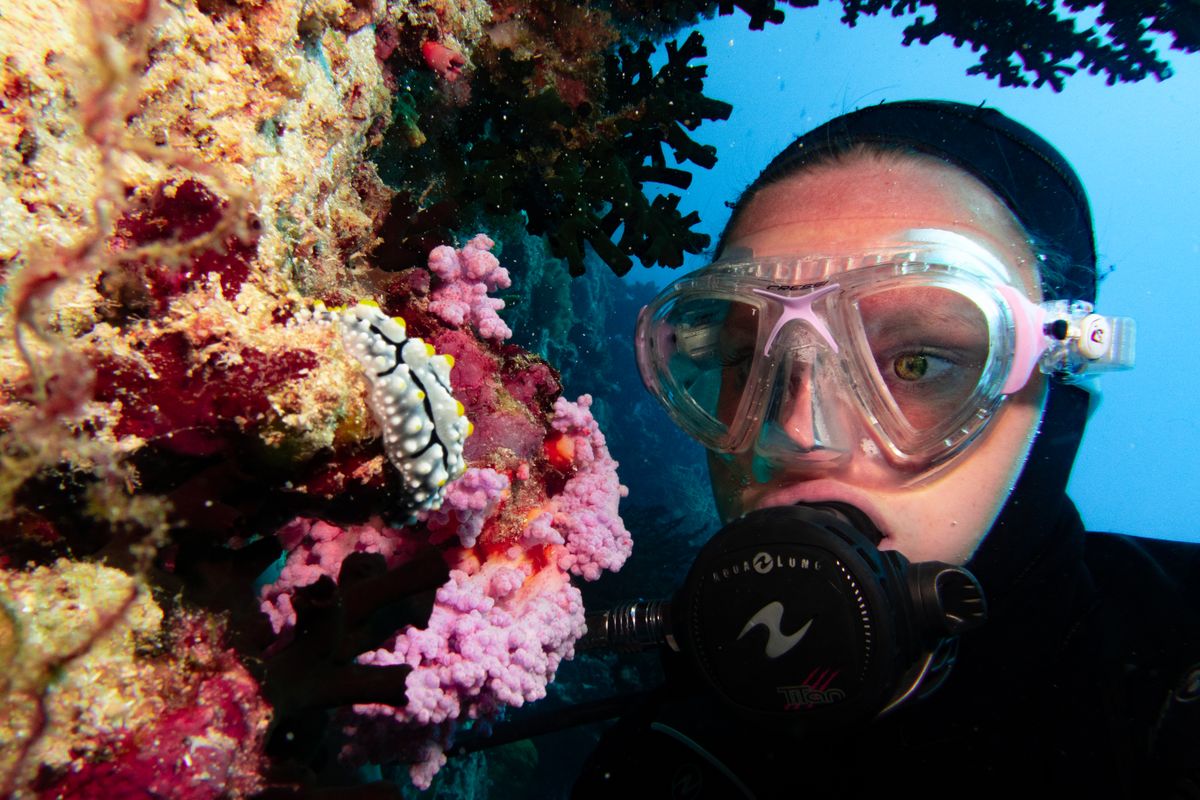
Snorkelling in the clear waters off Zanzibar

The water is the kind of colour that makes you distrust photographs. Mnemba Atoll is a private marine sanctuary — a ring of coral reef barely a kilometre across, ringed by sea so clear you can read the shadow of your own hand on the bottom at twelve metres.

Mnemba Island itself is privately owned and exclusive, but the marine reserve surrounding it is open to day visitors by boat from the northeast coast. What you find inside it is among the finest snorkelling in East Africa — a protected reef that has recovered magnificently from the bleaching events that damaged so much of the Indian Ocean, now home to green and hawksbill turtles, spinner dolphins that often ride the bow wave of your boat inbound, dense shoals of angelfish and parrotfish, and the occasional Napoleon wrasse moving through the coral with the unhurried authority of a very large fish that knows it has nothing to fear.

The best mornings are glass-calm and the visibility stretches beyond 20 metres. Turtles graze on the sea grass beds in the shallows, indifferent to the snorkellers floating above them. The reef wall drops away to depths beyond recreational diving on the outer edge, and the sense of the ocean's scale — of looking down into a blue that has no visible floor — is exhilarating and humbling in equal measure.

Plan This Experience

  • Depart from Matemwe or Pwani Mchangani villages on the northeast coast
  • Boat journey approximately 20–30 minutes from shore
  • Best visibility: November–March (southeast monsoon has cleared)
  • Dolphin encounters most likely early morning on the way out
  • Combine with a night at Matemwe Lodge for direct beach access
02

A Sunset Dhow Cruise from Stone Town

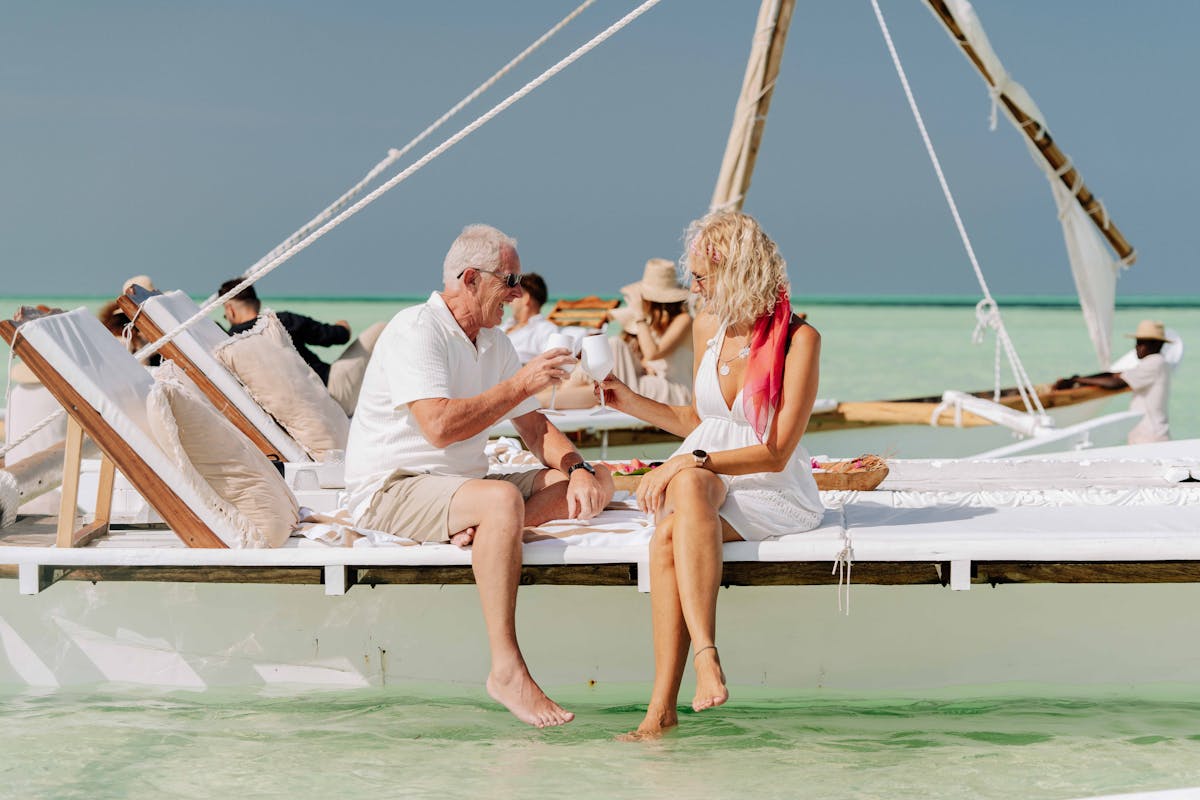
Zanzibar beach with traditional dhow at sunset

The dhow is a wooden boat built by hand using techniques unchanged for a thousand years. It smells of timber and salt. It sits low in the water. And as it clears the Stone Town harbour and the sail fills with the evening wind off the Indian Ocean, something settles in you that you didn't know was tense.

Zanzibar's relationship with the sea is as old as its relationship with the spice trade, the slave trade, and the tangle of cultures — African, Arab, Indian, Portuguese — that made Stone Town one of the most historically complex cities on Earth. The dhow was the vessel that carried all of it: the cloves, the ivory, the people. Sailing on one at sunset, with the old city turning gold behind you and the call to prayer drifting across the water from the minarets, is to feel history as sensation rather than fact.

Most sunset cruises serve cold drinks and fresh fruit on deck. The crew is often Zanzibari fishermen who have been on these waters their whole lives and navigate by instinct and tide. As the sun drops and Stone Town's seafront becomes a silhouette, the ocean shifts through amber, rose, and violet — and the city, for a few minutes, looks exactly as it must have looked from the same angle a century ago.

Plan This Experience

  • Depart from Mizingani Road waterfront, Stone Town — daily departures around 17:00
  • Private charters available for groups; shared boats also excellent
  • Sundowners and snacks typically included; confirm when booking
  • December–February: best sailing winds; calmer seas in June–October
  • Combine with a Stone Town walking tour earlier in the day
03

Prison Island & the Giant Tortoises

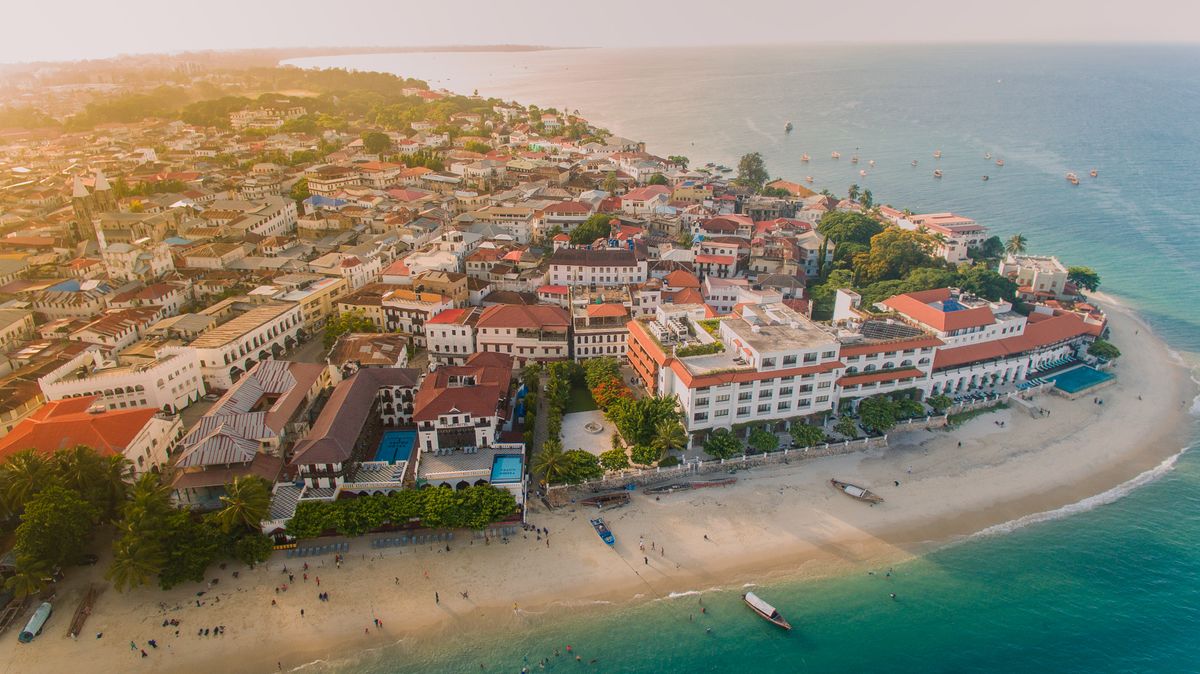
Aerial view of Stone Town and the Zanzibar coastline

Five kilometres from Stone Town's waterfront, small enough to walk across in twenty minutes, Changuu Island carries more history per square metre than almost anywhere in the Indian Ocean — and a population of giant tortoises that have been living there since before any living person was born.

The island was built as a prison in the 1890s under British colonial rule — a facility that, in the end, held very few prisoners but accumulated instead a colony of Aldabra giant tortoises, gifted from the Seychelles in the early 1900s. Some of these animals are now over a hundred years old. They move with the deliberate, ancient patience of creatures that have simply outlasted everything that surrounded them — the empire that built the prison, the wardens who managed it, the tourists who come and go each season.

Getting there is half the experience. The boat journey from Stone Town skirts the old sea wall and cuts across a channel of extraordinary blue water. Most boats stop on the sandbar on the way back for snorkelling over a healthy coral reef. The island itself is shaded and quiet, with the old colonial prison building slowly returning to the forest, and the tortoises grazing the lawns with magnificent indifference to the small humans photographing them.

Plan This Experience

  • Boats depart from Stone Town waterfront; journey approximately 30 minutes
  • Best visited in the morning before day-trippers arrive
  • Entry fee to the island includes access to the tortoise enclosures
  • Snorkelling gear often available on the boat for the sandbar stop
  • Easily combined with an afternoon Stone Town walking tour
04

Kendwa Rocks at High Tide

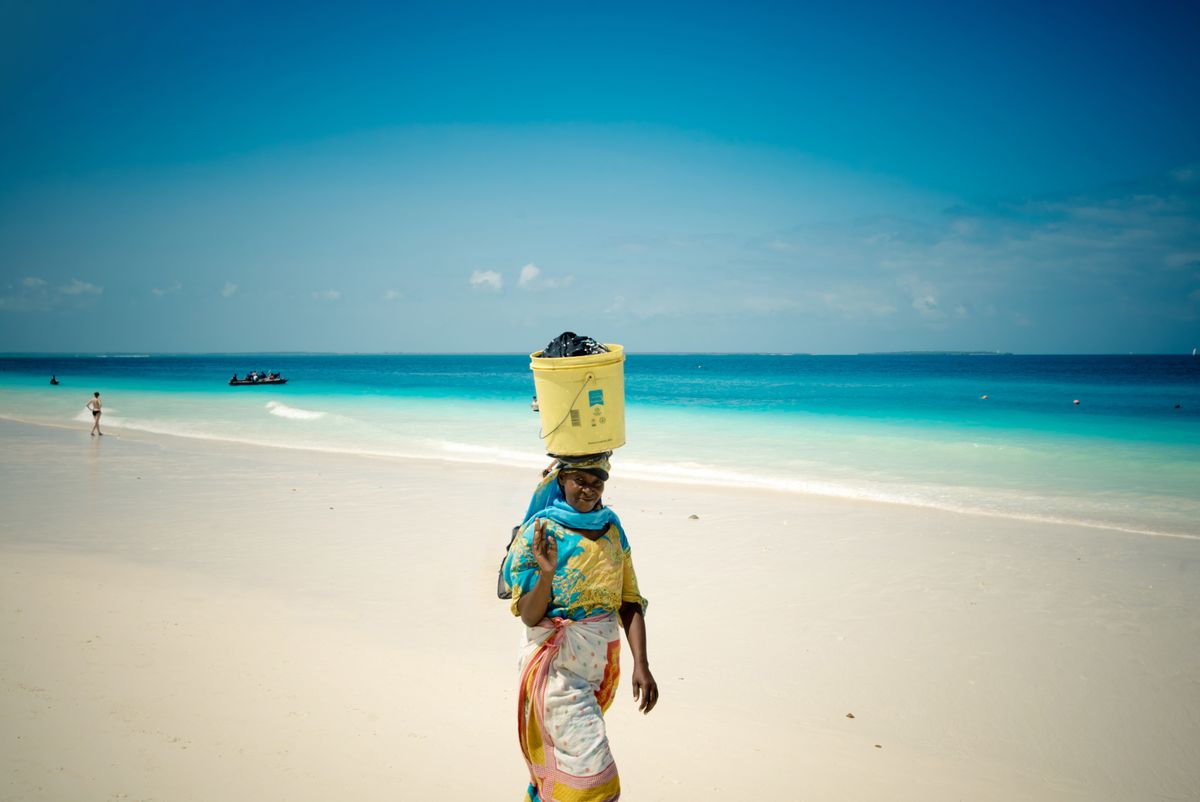
Woman walking on the Zanzibar seashore

Most beaches on Zanzibar have a secret the brochures don't mention. At low tide, the Indian Ocean retreats so far that the sea becomes a shallow, warm lake hundreds of metres from shore — beautiful, but unswimmable. Kendwa is the exception.

Tucked into the northwest tip of the island where the tidal range is dramatically reduced, Kendwa Rocks offers the rarest thing on Zanzibar: deep, swimmable water at any hour of the day or night. The beach is wide and white, the palms lean at exactly the angle that palms are supposed to lean, and the sunset — facing west across the Zanzibar Channel toward mainland Tanzania — is a reliable, spectacular daily event that the restaurants and bars along the shore have oriented their entire architecture to honour.

Kendwa is also famous for its full-moon beach parties — monthly events that draw travellers from across the island for an evening of music and dancing on the sand with the tide coming in beneath their feet. But the ordinary days are what most visitors remember longest: the hours of doing very little, the sound of the Indian Ocean, the fish grilled on charcoal at the beachside restaurants, the colours of the sky at 18:30 when the sun touches the water and the whole beach turns briefly, improbably gold.

Plan This Experience

  • 1.5–2 hours by dala-dala (local bus) or taxi from Stone Town via Nungwi road
  • Full-moon parties held monthly — check the lunar calendar before booking
  • Accommodation ranges from beachfront bungalows to mid-range hotels
  • Combine with Nungwi village (10 min north) for dhow-building workshops
  • Snorkelling off the beach reef is best in the morning at high tide

More Experiences

Ready to Plan Your Island Escape?

From a day snorkel to a week on the sand — we'll find the right Zanzibar for you.

Start Planning