TarangireThe Elephant Kingdom

Ancient baobab sentinels, the greatest elephant concentrations in East Africa, and a wilderness that hums with a quiet magnificence most tourists never discover.

2,850 km²Park Area
3,000+Resident Elephants
550+Bird Species
BaobabsCenturies Old
Night DrivesPermitted Here

The Wild Place Most Visitors Miss

While the crowds follow the wildebeest north, Tarangire waits — patient, ancient, and extraordinary in its quiet way.

Tarangire is Tanzania's most underrated national park, and its regulars prefer it that way. Named after the Tarangire River — the only permanent water source in a vast semi-arid landscape — the park draws massive wildlife concentrations during the dry season as animals from the surrounding ecosystem funnel toward its life-giving waters.

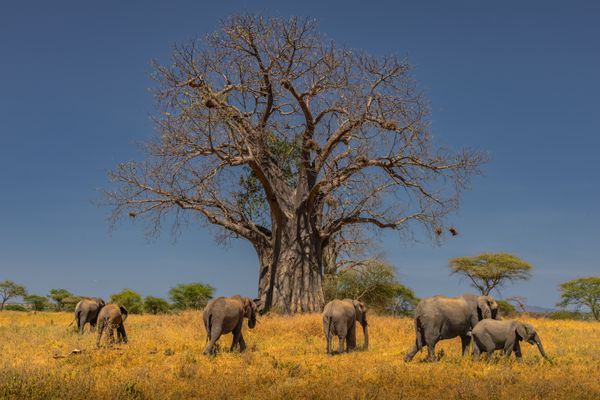
The landscape itself is otherworldly. Enormous ancient baobab trees, some over a thousand years old, dot the golden plains like the ruins of some forgotten giant civilization. Their gnarled silhouettes at sunset, with elephants browsing beneath them, constitute one of Africa's most photographed scenes — yet somehow, Tarangire remains whispered about rather than shouted.
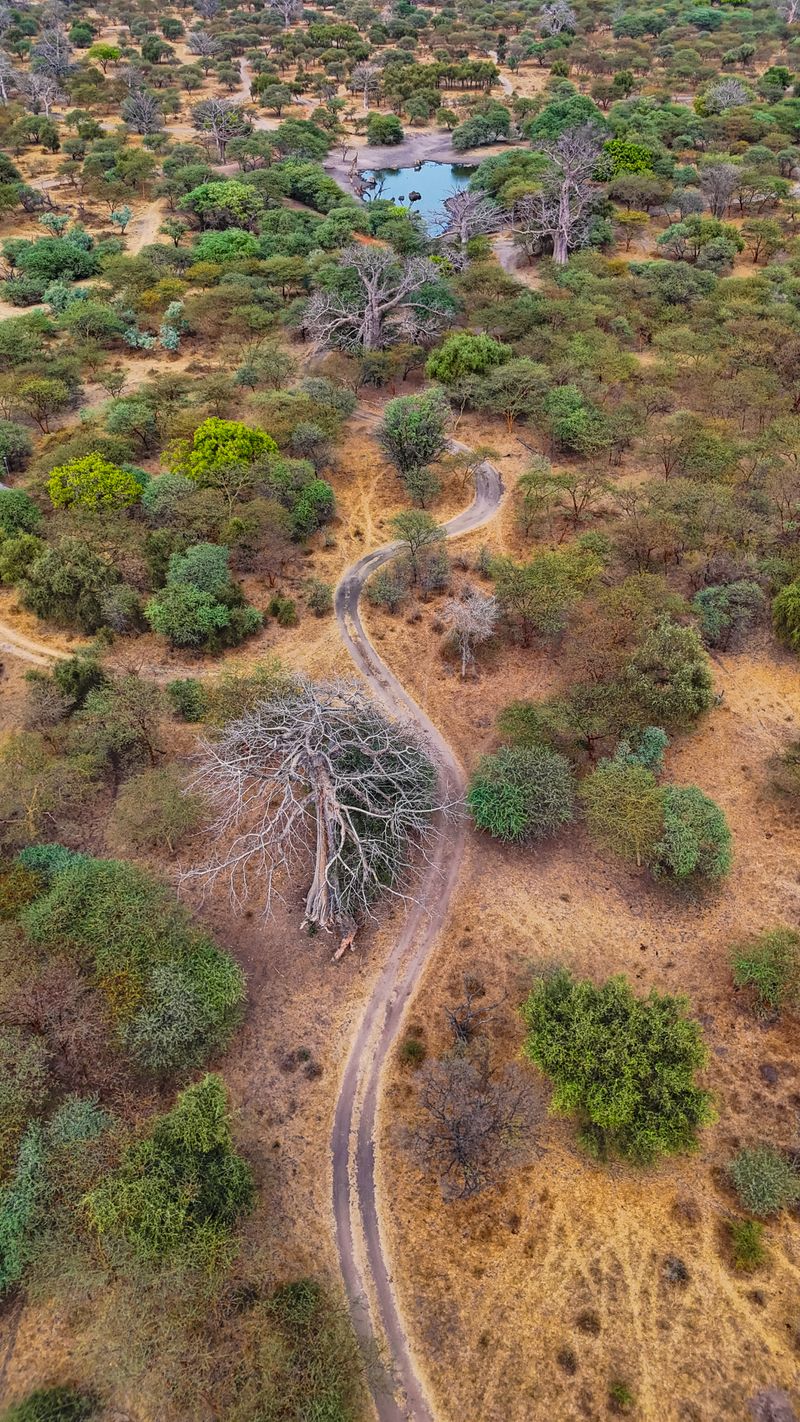
Drone shot of Tarangire landscape with road between fields and trees

Baobabs — Africa's Upside-Down Trees

The baobab looks as if it has been planted upside-down, with its roots reaching toward the sky.

Tarangire is home to one of the densest concentrations of African baobab trees on the continent. These extraordinary living monuments — known locally as mbuyu — can live for over 3,000 years, storing thousands of litres of water in their swollen trunks and providing food, shelter, and moisture to dozens of animal species.

Walking among them at dusk, when the last light turns their trunks a deep copper, is an experience that stays with you long after you return home. Elephants strip their bark for moisture. Fruit bats feast on their blossoms. Hornbills nest in their hollows. Each tree is a world unto itself.

Elephants walking in front of a large tree in Tarangire

Tarangire's Dry Season Secret

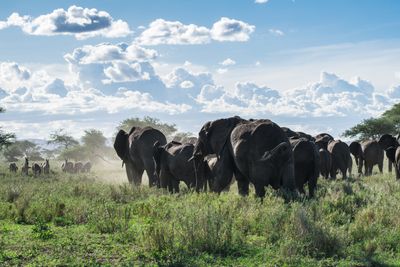
From July to October, the Tarangire River becomes the last water source for hundreds of kilometres. Elephant herds numbering 300 or more converge on the riverbanks daily, alongside zebra, wildebeest, giraffe, buffalo, and the predators that follow them. It is arguably the most concentrated wildlife spectacle in Tanzania outside the Great Migration — and one of Africa's least-crowded.

Who Lives Here

Mammals

🐘

African Elephant

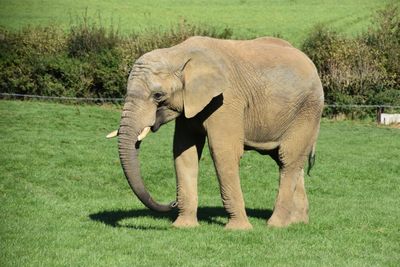
Over 3,000 resident elephants — the park's signature species and one of the highest densities anywhere in Africa

🦁

African Lion

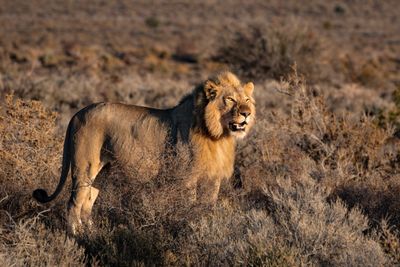
Tree-climbing lions are occasionally spotted here — a behaviour more commonly associated with Queen Elizabeth NP in Uganda

🐆

Leopard

The riverside forests provide excellent habitat; early morning drives are your best chance for a sighting

🦒

Maasai Giraffe

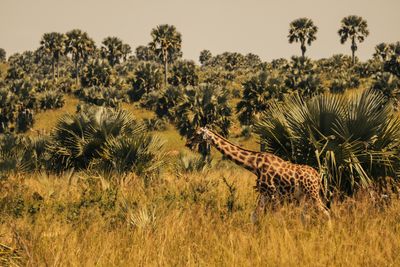
Large herds browse the acacia woodland — one of Tanzania's most elegant and graceful inhabitants

🐃

African Buffalo

Massive herds of several hundred congregate at the river during the dry season — a thundering, dust-filled spectacle

🦨

African Wild Dog

One of Tanzania's top wild dog habitats — packs of 10–20 are regularly sighted in the northern areas

Birds (550+ Species)

🦅

Martial Eagle

Africa's largest eagle, often perched in the crown of tall acacias surveying its territory

🦜

Yellow-Collared Lovebird

Found almost nowhere else — Tarangire is one of the few places in the world to see this species reliably

🐦

Southern Ground Hornbill

Imposing, slow-moving, and critically endangered — family groups stalk the grassland searching for prey

🦜

Ashy Starling

A Tarangire endemic that exists in no other major national park — a must-see for serious birders

🦆

African Jacana

Walks on floating water vegetation with improbable elegance — found along the Tarangire River swamps

🦩

Saddle-Billed Stork

One of Africa's most striking birds — tall, colourful, and impressive along the river margins

Tarangire in Frame

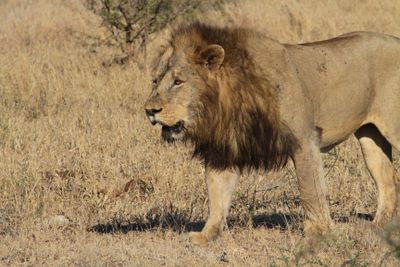
African elephant in savanna grass Majestic giraffe in African savanna Lion on grass field Herd of elephants walking on green grass field Lion walking through dry grass

Night Safaris — Tarangire's Unique Advantage

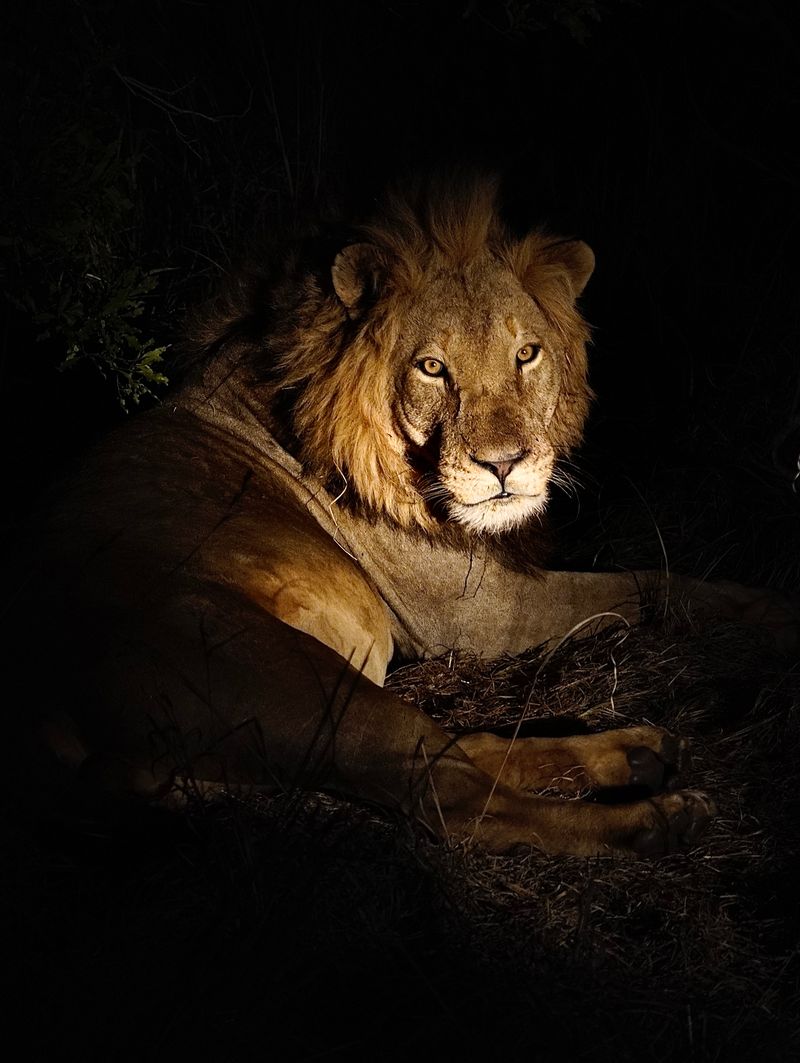
Tarangire is one of the very few national parks in Tanzania that permits night drives — a significant advantage for those who want to encounter the full spectrum of African wildlife, most of which is actually nocturnal.

After the day-visitors return to camp, a different Tarangire emerges. Genets and civets dart through the torchlight. Porcupines shuffle across the road. Elephants move silently through the darkness. Lions begin to hunt. And the extraordinary night sky of the Tanzanian rift valley blazes overhead, undiminished by light pollution.

  • Night drives permitted from 7 PM with certified guides
  • Spotlight wildlife: genets, civets, bush babies, springhares
  • Lions and leopards active after dark — genuine hunting behaviour
  • Bush walks also permitted (rare in Tanzania national parks)
  • Fly camping available for the ultimate immersive experience
Majestic lion resting in night spotlight

Essential Information

Best Time to Visit

  • July–October: Peak dry season, elephants at the river daily
  • November–December: Short rains, park fresh and green, birds arrive
  • January–March: Still good — wildlife present, fewer crowds
  • April–May: Long rains; some roads impassable, but lush and cheap

Getting There

  • Drive from Arusha: 2 hours on tarmac via Makuyuni
  • Airstrip (TAN) with regular flights from Arusha and Dar es Salaam
  • Excellent circuit partner: pair with Ngorongoro and Serengeti
  • Many operators include Tarangire as the first night of a northern circuit

Accommodation

  • Luxury tented camps: Oliver's Camp, Sanctuary Swala — iconic
  • Mid-range lodges along the western boundary of the park
  • Budget camping available at public campsites in the park
  • Exclusive fly camping: spend a night on the plains under the stars

Activities Available

  • Day game drives (standard 4WD safaris)
  • Night game drives (unique to Tarangire)
  • Guided bush walks with armed ranger
  • Fly camping (2-night minimum recommended)
  • Maasai boma community visits near the park

Start Planning

Discover Tanzania's Hidden Treasure

Most visitors overlook Tarangire. Those who don't return with memories that rival anything the more famous parks can offer.

Plan Your Safari Request Tarangire Guide
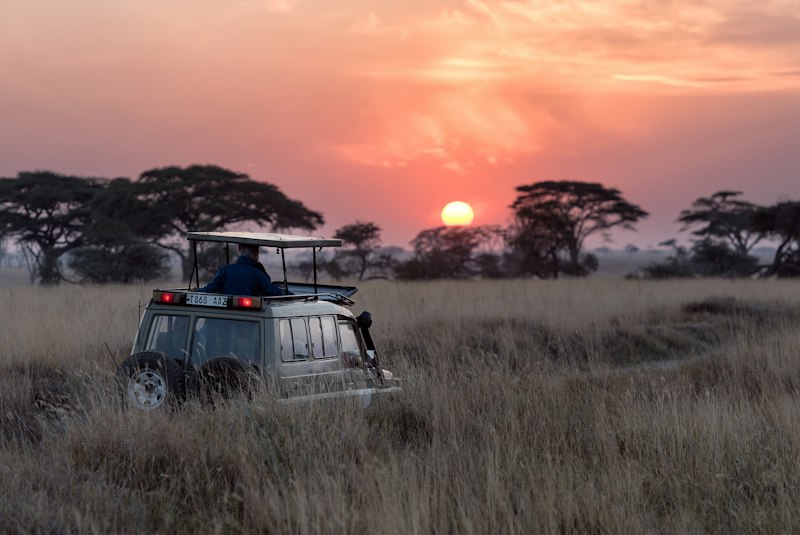
Serengeti

Back to Classics

Serengeti

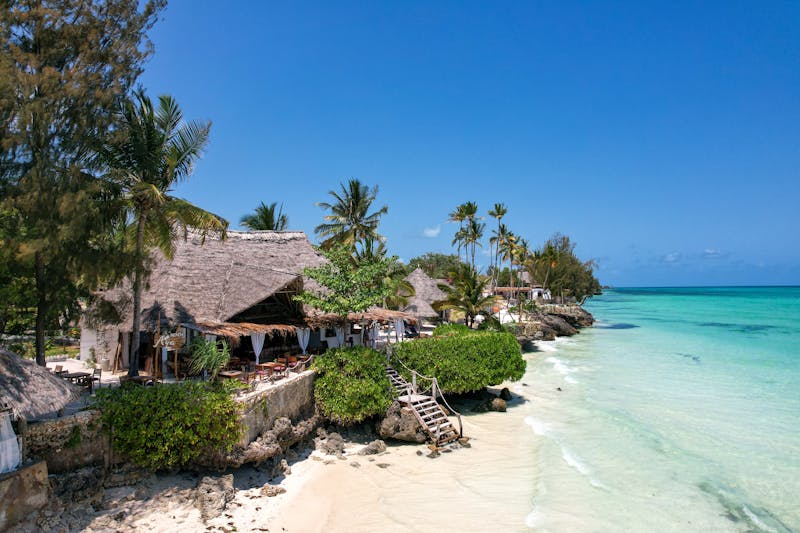
Zanzibar

Island Escape

Zanzibar